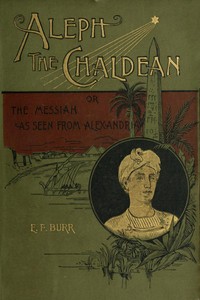
Aleph, the Chaldean; or, the Messiah as Seen from Alexandria
"Aleph, the Chaldean; or, the Messiah as Seen from Alexandria" by E. F. Burr is a historical fiction written in the late 19th century. The narrative centers on Aleph, a young man of diverse lineage, and his companion Cimon, as they journey down the Nile toward Alexandria amidst the backdrop of Roman domination and ancient Egyptian culture. Their adventures reveal themes of identity, cultural interchange, and the spiritual quest concerning the Messiah, set against a richly described historical landscape. The opening of the story sets a vivid scene as Aleph and Cimon travel on a merchant vessel along the Nile, observing the landscape and conversing with an Egyptian man named Seti. They encounter Roman soldiers, leading to a tense confrontation that Aleph adeptly resolves, showcasing his character as both courageous and skilled. As they arrive in Alexandria, they are introduced to the vibrant social fabric of the city, filled with diverse cultures and the complexities of religious beliefs. The conversation reflects on history, ancestry, and the ongoing anticipation of the Messiah, creating a foundation for the exploration of faith and identity that will unfold throughout the narrative. The beginning hints at a larger journey of both physical and spiritual significance for Aleph and Cimon in their encounters with various peoples and ideas in this historic setting.
Bookshelves
Related books
Ben Hur: Una storia di Cristo
Lew Wallace
Ben-Hur: A tale of the Christ
Lew Wallace
Ben-Hur: Een verhaal van den tijd van Jezus' omwandeling op aarde
Lew Wallace
Ben-Hur: Kertomus Kristuksen ajoilta
Lew Wallace
Brave Bessie Westland : $b A story of Quaker persecution
Emma Leslie
Newton Forster; Or, The Merchant Service
Frederick Marryat
Gómez Arias Or, The Moors of the Alpujarras, A Spanish Historical Romance.
Joaquín Telesforo de Trueba y Cosío
A mirror for witches : $b in which is reflected the life, machinations, and death of famous Doll Bilby, who, with a more than feminine perversity, preferred a demon to a mortal lover; here is also told how and why a righteous and most awfull judgement befell her, destroying both corporeal body and immortal soul
Esther Forbes