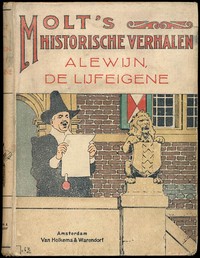
Alewijn, de Lijfeigene: Historisch verhaal uit de 12e eeuw
by E. Molt
"Alewijn, de Lijfeigene: Historisch verhaal uit de 12e eeuw" by E. Molt is a historical narrative likely written in the late 19th century. The story revolves around Alewijn, a young boy who becomes a serf after his father, Redbold, succumbs to gambling debts, losing their freedom and forcing the family into servitude. This tale explores themes of struggle, family bonds, and the harsh realities of life in the feudal system. The opening of the narrative introduces Redbold, who returns from the Crusades to purchase land, only to fall into a cycle of gambling that leads to his family's downfall. As their fortunes diminish, Redbold and his family find themselves enslaved by the local abbot, with young Alewijn being sent to work at the abbey, first serving the chicken caretaker Diedaart. The narrative captures Alewijn's initial adjustment to his new life, highlighting the simple joys as well as the harsh duties he faces, setting the stage for his unfolding journey against the backdrop of his family's loss and his own aspirations for freedom.
Bookshelves
Related books
Brave Bessie Westland : $b A story of Quaker persecution
Emma Leslie
Old Saint Paul's: A Tale of the Plague and the Fire
William Harrison Ainsworth
Newton Forster; Or, The Merchant Service
Frederick Marryat
Gómez Arias Or, The Moors of the Alpujarras, A Spanish Historical Romance.
Joaquín Telesforo de Trueba y Cosío
A mirror for witches : $b in which is reflected the life, machinations, and death of famous Doll Bilby, who, with a more than feminine perversity, preferred a demon to a mortal lover; here is also told how and why a righteous and most awfull judgement befell her, destroying both corporeal body and immortal soul
Esther Forbes
The bridge of San Luis Rey
Thornton Wilder
The Sun King
Gaston Derreaux
The brave little maid of Goldau
Mary Elizabeth Jennings