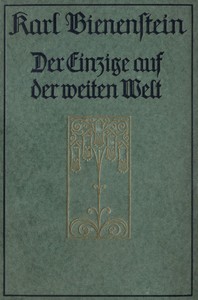
Der Einzige auf der weiten Welt: Ein Menschenleben
"Der Einzige auf der weiten Welt: Ein Menschenleben" by Karl Bienenstein is a novel written in the early 20th century. The story delves into the life experiences of the main character, who navigates through intense themes of solitude, familial loss, and youthful love in the backdrop of the natural beauty of a snowy landscape. The narrative appears to reflect on the struggle for peace in a tumultuous world, highlighting the protagonist's introspections about his existence and relationships. At the start of the novel, the protagonist finds solace in the wintry wilderness, feeling a profound sense of peace despite the chaos surrounding his past, particularly his father's violent death. Memories of his childhood intermingle with the present as he reflects on his experiences, touching on the emotions of innocence, grief, and the poignant longing for connection. The opening chapter sets a deeply introspective tone, as the protagonist grapples with the complexities of growing up, the burdens of loss, and the contrasts between his childhood innocence and the harsh realities of adulthood. His encounter with Marie, a figure of comfort, hints at the emerging themes of love and companionship, suggesting a journey of both personal and emotional growth ahead.
Related Subjects
Bookshelves
Related books
Der Satansgedanke
Rudolf Hans Bartsch
Vom sterbenden Rokoko
Rudolf Hans Bartsch
Unsere Nachbarn: Neue Skizzen
Ada Christen
Leben und Meinungen des Herrn Andreas von Balthesser, eines Dandy und Dilettanten
Richard von Schaukal
Mimi Lynx: Eine Novelle
Richard von Schaukal
Amok: Novellen einer Leidenschaft
Stefan Zweig
Das Buch der Novellen. Erster Band
Peter Rosegger
Der Adlerwirt von Kirchbrunn
Peter Rosegger