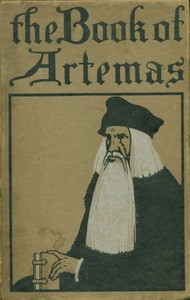
The book of Artemas concerning men, and the things that men did do, at the time when there was war
"The Book of Artemas" by Andrew Cassels Brown is a historical account written in the early 20th century. The text presents a chronicle of events and characters from the land of Eur during a time of great unrest and war. Central to the narrative is Willi, the crafty ruler of Hu, and his son Mud, whose ambition propels them into conflict that shapes the fate of their land. The opening of the book introduces us to Artemas, a scribe chronicling the state of the land of Eur. At the beginning, peace reigns, but Willi is consumed by envy and ambition, leading him to seek out the wise man Bern for advice. The narrative explores the corrupt and ambitious nature of Willi and Mud as they devise a plan for war, while also hinting at the rising tensions and the eventual turmoil in the land. Themes of ambition, power, and the human condition in the face of conflict are established early on, setting the stage for the unfolding drama of a society on the brink of war.
Related Subjects
Bookshelves
Related books
"1683-1920" The Fourteen Points and What Became of Them—Foreign Propaganda in the Public Schools—Rewriting the History of the United States—The Espionage Act and How It Worked—"Illegal and Indefensible Blockade" of the Central Powers—1,000,000 Victims of Starvation—Our Debt to France and to Germany—The War Vote in Congress—Truth About the Belgian Atrocities—Our Treaty with Germany and How Observed—The Alien Property Custodianship—Secret Will of Cecil Rhodes—Racial Strains in American Life—Germantown Settlement of 1683 and a Thousand Other Topics
Frederick Franklin Schrader
Last letters from the living dead man
David Patterson (Spirit) Hatch
War letters from the living dead man
David Patterson (Spirit) Hatch
The Mania of the Nations on the Planet Mars and its Terrific Consequences A Combination of Fun and Wisdom
James Howard Calisch
Boy of My Heart
Marie Connor Leighton
Artemas—the second book concerning men, and the things that men did do, at the time when there was war
Andrew Cassels Brown