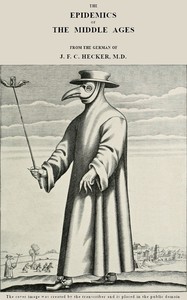
The Epidemics of the Middle Ages
by J. F. C. (Justus Friedrich Carl) Hecker
"The Epidemics of the Middle Ages" by J. F. C. Hecker is a historical account written in the mid-19th century. The book examines three significant epidemics—primarily the Black Death, alongside the Dancing Mania and Sweating Sickness—that ravaged Europe during the Middle Ages. Hecker attempts to illuminate the public health impacts and the societal reactions to these vast calamities, reflecting on the interplay between medical understanding and human behavior during these times. The opening of the book sets the stage for a detailed exploration of the Black Death, one of the deadliest pandemics in history. Hecker begins by reflecting on the historical context of this epidemic, emphasizing the ignorance and superstition that clouded public perception of disease during the Middle Ages. The introductory sections describe the horrific symptoms of the plague, the widespread fear it engendered, and the inadequate responses by medical authorities. Hecker calls for a comprehensive historical study of epidemics as a means to better understand how society might combat similar crises in the future, thereby linking the lessons of the past to contemporary medical science and public health policy.
Related Subjects
Related books
Étude sur les maladies éteintes et les maladies nouvelles pour servir à l'histoire des évolutions séculaires de la pathologie
Charles Anglada
The Great Pestilence (A.D. 1348-9), Now Commonly Known as the Black Death
Francis Aidan Gasquet
The Black Death in the Fourteenth Century
J. F. C. (Justus Friedrich Carl) Hecker
The Black Death, and The Dancing Mania
J. F. C. (Justus Friedrich Carl) Hecker
Epidemics Resulting from Wars
Friedrich Prinzing
A History of Epidemic Pestilences From the Earliest Ages, 1495 Years Before the Birth of our Saviour to 1848: With Researches into Their Nature, Causes, and Prophylaxis
Edward Bascome