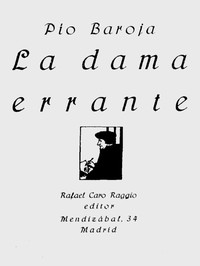
La dama errante La raza, Tomo I
by Pío Baroja
"La dama errante" by Pío Baroja is a novel written in the early 20th century. The story delves into the life of María Aracil, a young woman navigating her childhood and early adulthood within a complex familial and social environment. The narrative promises to explore themes of individuality, societal expectations, and the struggles of gender roles during a time of change in Spain. The opening of "La dama errante" introduces readers to María, who grapples with the difficulties of childhood in a repressive Spanish society. Notably, her beloved grandmother, Rosa, plays a significant role in her early life, providing warmth and nurturing amidst the challenges. As María grows, the text hints at her education and burgeoning independence, shaped by her interactions with family members and the broader societal pressures surrounding women's roles. Additionally, her father's character, Dr. Aracil, is portrayed as a somewhat egocentric figure, contrasting with the earnestness of her affectionate cousin Venancio, suggesting an exploration of differing ideologies and tensions that will impact María's development.
Related Subjects
Bookshelves
Related books
El caballero encantado (cuento real... inverosímil)
Benito Pérez Galdós
El árbol de la ciencia: novela
Pío Baroja
La lucha por la vida: Aurora roja
Pío Baroja
La lucha por la vida: La busca
Pío Baroja
La lucha por la vida: Mala hierba
Pío Baroja
Mala Hierba
Pío Baroja
De Sobremesa; crónicas, Cuarta Parte (de 5)
Jacinto Benavente
De Sobremesa; crónicas, Primera Parte (de 5)
Jacinto Benavente