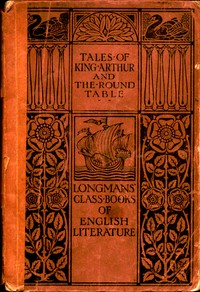
Tales of King Arthur and the Round Table, Adapted from the Book of Romance
by Unknown
"Tales of King Arthur and the Round Table," adapted from the Book of Romance by Andrew Lang et al., is a collection of Arthurian legends likely written in the early 20th century. This compilation showcases the enchanting tales of King Arthur, his noble knights, and the mythical elements surrounding them, including the legendary sword Excalibur and the quest for the Holy Grail. The stories explore themes of chivalry, bravery, and the intricate relationships between the characters, particularly King Arthur and his closest comrades. At the start of the collection, the narrative introduces the chaotic state of Britain after the death of King Uther Pendragon, highlighting the quest to find a rightful king. It presents the monumental moment when Arthur, at that time unaware of his lineage, pulls the sword from the stone, thus proving his right to the throne. The opening chapters also depict Arthur's counsel with Merlin, the enchanting sword Excalibur, and the beginning of the famed Round Table, setting the stage for the epic adventures and trials that will define the lives of Arthur and his knights. The rich tapestry of characters and events promises readers an engaging journey through romance and heroism.
Related Subjects
Related books
The Defence of Guenevere and Other Poems
William Morris
Arthur kuningas ja hänen jalot ritarinsa Tarinoita Thomas Maloryn Morte d'Arthurista
Thomas Malory
Le Morte d'Arthur: Volume 1
Thomas Malory
Le Morte d'Arthur: Volume 2
Thomas Malory
Stories of King Arthur and His Knights Retold from Malory's "Morte dArthur"
Thomas Malory
The Boy's King Arthur Sir Thomas Malory's History of King Arthur and His Knights of the Round Table
Thomas Malory
Stories from Le Morte D'Arthur and the Mabinogion
Beatrice E. (Beatrice Elizabeth) Clay
Traditions, Superstitions and Folk-lore (Chiefly Lancashire and the North of England:) Their Affinity to Others in Widely-Distributed Localities; Their Eastern Origin and Mythical Significance.
Charles Hardwick