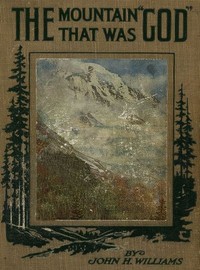
The Mountain that was 'God' Being a Little Book About the Great Peak Which the Indians Named 'Tacoma' but Which is Officially Called 'Rainier'
by John H. (John Harvey) Williams
"The Mountain that was 'God'" by John H. Williams is an illustrated and descriptive account of the iconic peak known to many as Mount Rainier, and by the native tribes as "Tacoma," written in the early 20th century. This work explores the mountain's significance to the indigenous peoples, its natural beauty, and the rich tapestry of stories that surround it, positioning the peak as a revered entity rather than merely a geographical feature. At the start of the text, the author sets an evocative tone, likening the mountain to a divine being admired and feared by the local tribes. Through expressive poetry and prose, Williams introduces readers to the grandeur of the mountain's varied landscapes, climatic changes, and the cultural legends that imbue it with spiritual significance. The opening chapter delves into the tradition of the Native American tribes who revered the mountain, sharing their beliefs, myths, and the beauty that draws adventurers to explore its heights. Williams articulates a profound respect for the mountain, depicting it not just as a majestic natural wonder, but as a symbol of nature's power and mystery that has captivated human imagination across generations.
Related Subjects
Related books
The Geologic Story of Mount Rainier A look at the geologic past of one of America's most scenic volcanoes
Dwight R. (Dwight Raymond) Crandell
In the Oregon Country Out-Doors in Oregon, Washington, and California Together with some Legendary Lore, and Glimpses of the Modern West in the Making
George Palmer Putnam
Mount Rainier, a Record of Exploration
Unknown