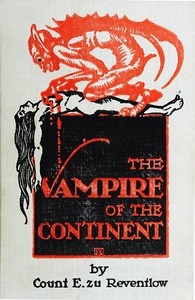
The Vampire of the Continent
"The Vampire of the Continent" by Count Ernst zu Reventlow is a historical treatise written in the early 20th century. The work systematically critiques and analyzes the role of England in shaping modern European history since the late 16th century, portraying it as a nation driven by greed and imperial ambitions. The author emphasizes England's influence on conflicts and power dynamics, presenting it as a "vampire" that feeds off the resources and prosperity of other nations, particularly during periods of war and upheaval. At the start of the work, the translator’s preface sets the stage for Reventlow’s provocative examination of England’s historical actions. It alludes to the myths surrounding England’s role as a liberator, emphasizing instead the destructive impact its imperial pursuits had on Europe and the world. The opening chapters delve into the narratives surrounding key historical events, such as the defeat of the Spanish Armada, notably reinterpreting them through a lens critical of English statecraft. The author's overarching argument is that England, often viewed as a benefactor in historical accounts, has acted primarily out of self-interest and avarice, undermining the stability and prosperity of its continental neighbors in the process.
Related Subjects
Related books
The Crime Against Europe: A Possible Outcome of the War of 1914
Roger Casement
Britain at Bay
Spenser Wilkinson
Germany before the war
baron (Eugène-Napoléon) Beyens
The European Anarchy
G. Lowes (Goldsworthy Lowes) Dickinson
Het tweevoudig verbond contra de drievoudige Entente (het wereldconflict als een rechtsgeding behandeld)
James M. (James Montgomery) Beck
The Evidence in the Case A Discussion of the Moral Responsibility for the War of 1914, as Disclosed by the Diplomatic Records of England, Germany, Russia
James M. (James Montgomery) Beck
Armageddon—And After
W. L. (William Leonard) Courtney
Seven years in Vienna (August, 1907-August, 1914), a record of intrigue
Anonymous